
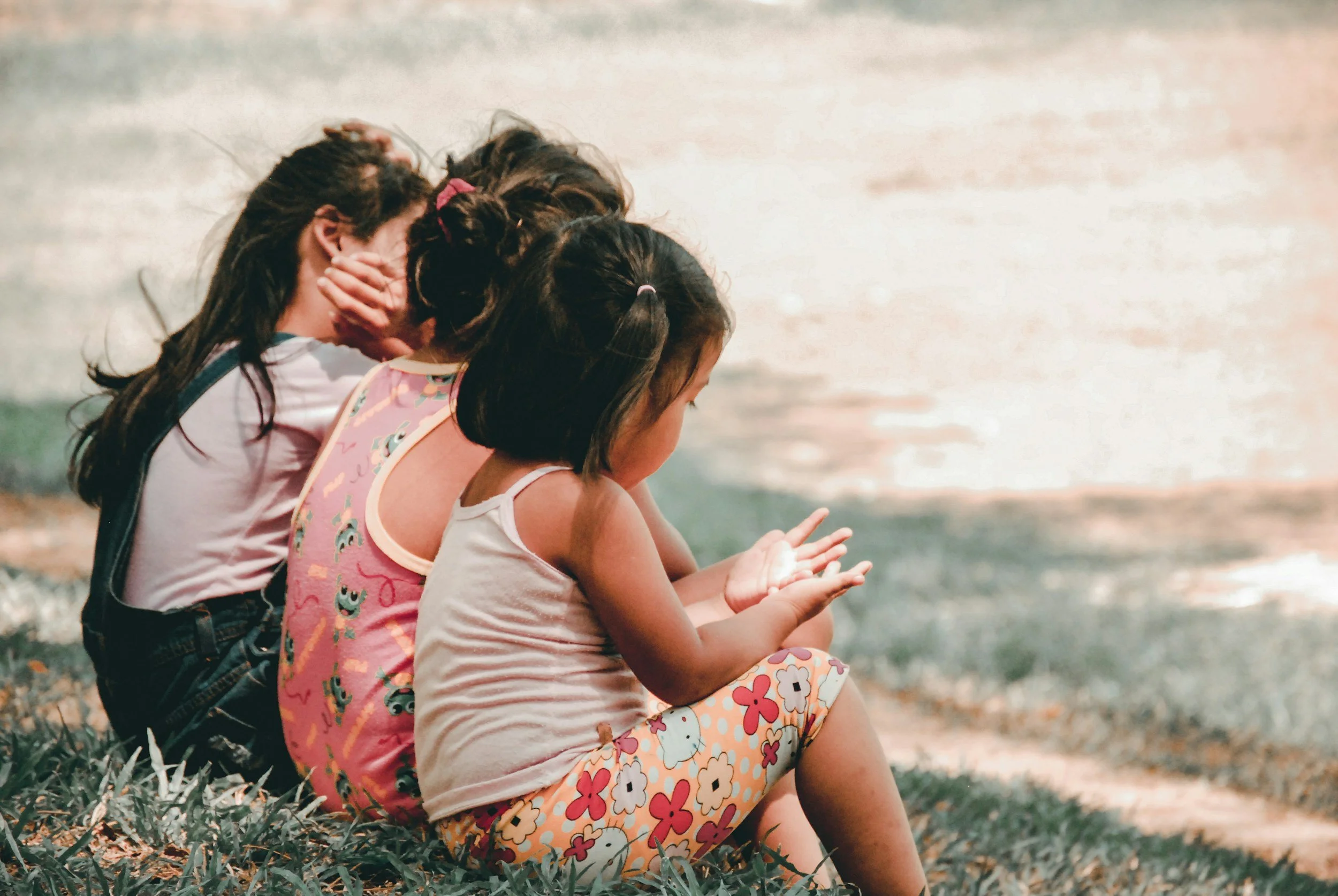
The wobble often starts quietly…
It is just after playtime. Coats are half-off. Voices are still outside. Someone is upset about something that happened in the playground. Another child is laughing too loudly. A few children are ready to learn, but many have not quite arrived back in the room.
The lesson has technically started. But the class is not quite with you yet. This is often where the wobble begins. Sometimes it begins as a restless body, a louder voice, a child drifting away, or a tiny disagreement that suddenly feels enormous.
And often, by the time we see the wobble clearly, the child is already struggling.
This is where a small pause, offered early, can change what happens next.
Before the wobble becomes a storm
Supporting children before the wobble does not mean preventing every difficult feeling. Children are meant to feel. Frustration, disappointment, excitement, nervousness and uncertainty are all part of being human.
We cannot prevent every wobble. But we can help children notice what is happening inside them before the wobble becomes too big to meet gently.
Before the wobble becomes a storm, a child might begin to notice:
“My body feels fizzy.”
“My tummy feels tight.”
“My hands want to move.”
“I need a moment.”
“I feel like I might cry.”
“I need help.”
These are small signs, but they matter.
When children begin to notice what is happening in their bodies, they have more chance of meeting the feeling before it takes over.
Everyday wellbeing is not only for difficult moments
Everyday wellbeing support is not something saved only for when things go wrong. It can be woven into the rhythm of the day.
A breath before learning begins.
A short mindful movement practice after playtime.
A pause before a transition.
A nature image to settle the eyes.
A moment to shake off tension.
A quiet invitation to notice: How am I feeling right now?
These moments are small, but they help children build inner awareness.
They begin to learn
They begin to learn:
Something is happening in me.
I can notice it.
I can take a breath.
I can move my body.
I can ask for help.
I can settle again.
That is a powerful thing for a child to learn.
Where do the wobbles usually begin?
Think about a child, or perhaps your whole class. Where do the wobbles usually begin?
After playtime?
Before writing?
During transitions?
When the room starts to feel noisy?
When one kid starts looking for a distraction?
At the end of the day, when everyone is a little more tired?
Often, the first signs are not “bad behaviour.” They are signals.
A restless body.
A louder voice.
A child going very quiet.
A sudden argument over something small.
A reluctance to begin or continue.
When we notice these early signs, we have an opportunity.
To pause.
To wonder what the child might be telling us through their behaviour.
To make space for the feeling, without letting it take over the whole moment.
And to gently help them find their way back
What this might look like in class
The most helpful wellbeing tools are often the ones that fit naturally into what is already happening.
After playtime, the class may need to shake out their arms and take three steady breaths.
Before writing, they may need to stretch tall like a tree and feel their feet on the floor.
During a noisy transition, they may need a shared pause: hands on heart, eyes soft, one slow breath together.
Before a test, they may need to remember that feeling nervous is not failure. It is a signal. Something in them cares.
These small practices won’t prevent every wobble, but over time they give children something steady to reach for. They begin to understand:
Your feelings are not wrong.
Your body is giving you information.
There are ways to support yourself.
You do not have to stay stuck in the wobble.

Mindful Moment: A simple way to begin
Choose one moment in the school day where children often need support to return to themselves.
It might be after playtime, before writing, during a transition, or when the room starts to feel unsettled.
Add one short wellbeing pause there for a week.
It could be three breaths, a shake-off, a stretch, a hand-on-heart moment, or a simple question: What do I need right now?
You could try this for yourself, or with your class.
Pause and ask: What is one sign that tells me I might be heading towards a wobble?
It might be a tight jaw, fast thoughts, a hot face, a busy body, a loud voice, or wanting to hide. Take one slow breath. Then say quietly, or invite the class to say together:
I can notice.
I can pause.
I can begin again.
The aim is to help children notice themselves earlier, before the wobble becomes too big to meet gently.
And that small space can change the whole next moment.
For more simple movement and nature-based practices that help children pause, reset and return to themselves, explore MindFresh Moments — our wellbeing training for anyone who works with children.