
The MIND Model
A science-informed wellbeing framework for bringing simple, practical wellbeing practices into everyday classrooms.
Stress softens. Focus returns. Children are ready to learn.





Movement
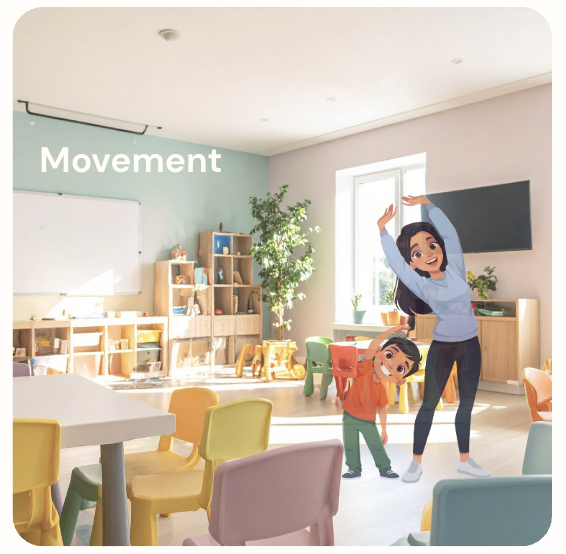
When children move - whether running, stretching, dancing or flowing through yoga or qigong - the brain responds. Movement triggers the release of BDNF [brain-derived neurotrophic factor] - a protein that builds new neural pathways strengthens memory and supports emotional regulation.
A few minutes of mindful movement before the next lesson begins changes the brain’s readiness to engage and learn.
Yang et al. (2020), Mental Health and Physical Activity — Read the paper →
Intention
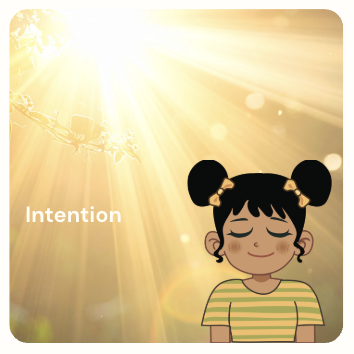
Intention is what we cultivate with the heart. When children are guided to pause, notice their breath, and extend kindness - to themselves and others - self-awareness grows, emotional regulation improves, and the prefrontal cortex strengthens: the brain's centre for self-regulation and decision-making.
It's a teachable skill, and it starts with practice.
Flook, Goldberg, Pinger & Davidson (2015), Developmental Psychology — Read the paper →
Nature
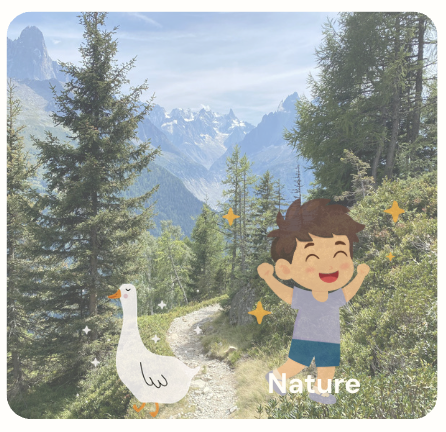
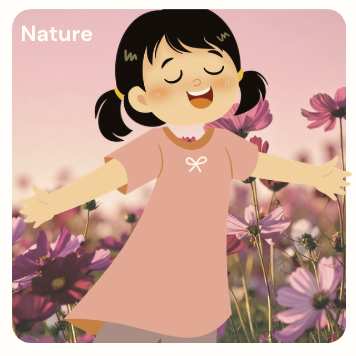
We don't need to be standing in a forest for nature to work on us. Our nervous system responds to the idea of nature — to images, to sounds, to the memory of it.
Research shows that simply viewing natural scenes indoors lowers cortisol, reduces heart rate, and activates the parasympathetic nervous system. Nature is not a destination. It's a relationship.
Systematic Review of Indoor Nature Viewing Experiments,
International Journal of Environmental Research and Public Health (2019) — Read the paper
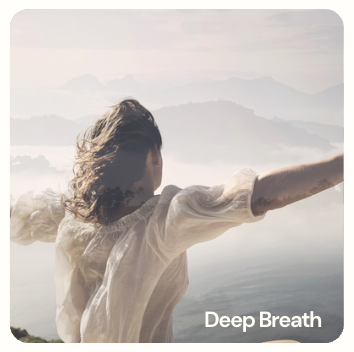
Deep Breath
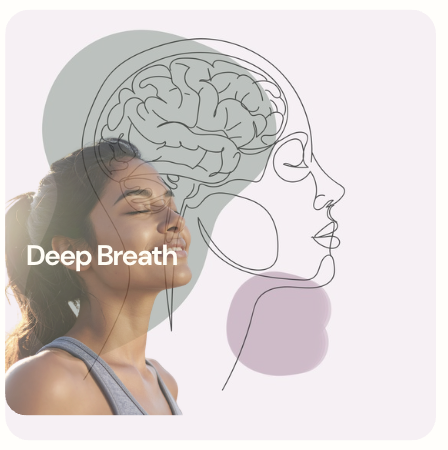
The breath is the only part of our body's stress system we can consciously control. When a child slows their breathing, something immediate happens: heart rate drops, cortisol lowers, and the body shifts from stress into calm. It doesn't take long. It doesn't take equipment.
It just takes practice.
Kapreli et al. (2025), Children — Read the paper →
Supporting children’s self-regulation, emotional wellbeing and readiness to learn
☁︎
through movement, breath awareness, intention and nature connection
☼
Supporting children’s self-regulation, emotional wellbeing and readiness to learn ☁︎ through movement, breath awareness, intention and nature connection ☼

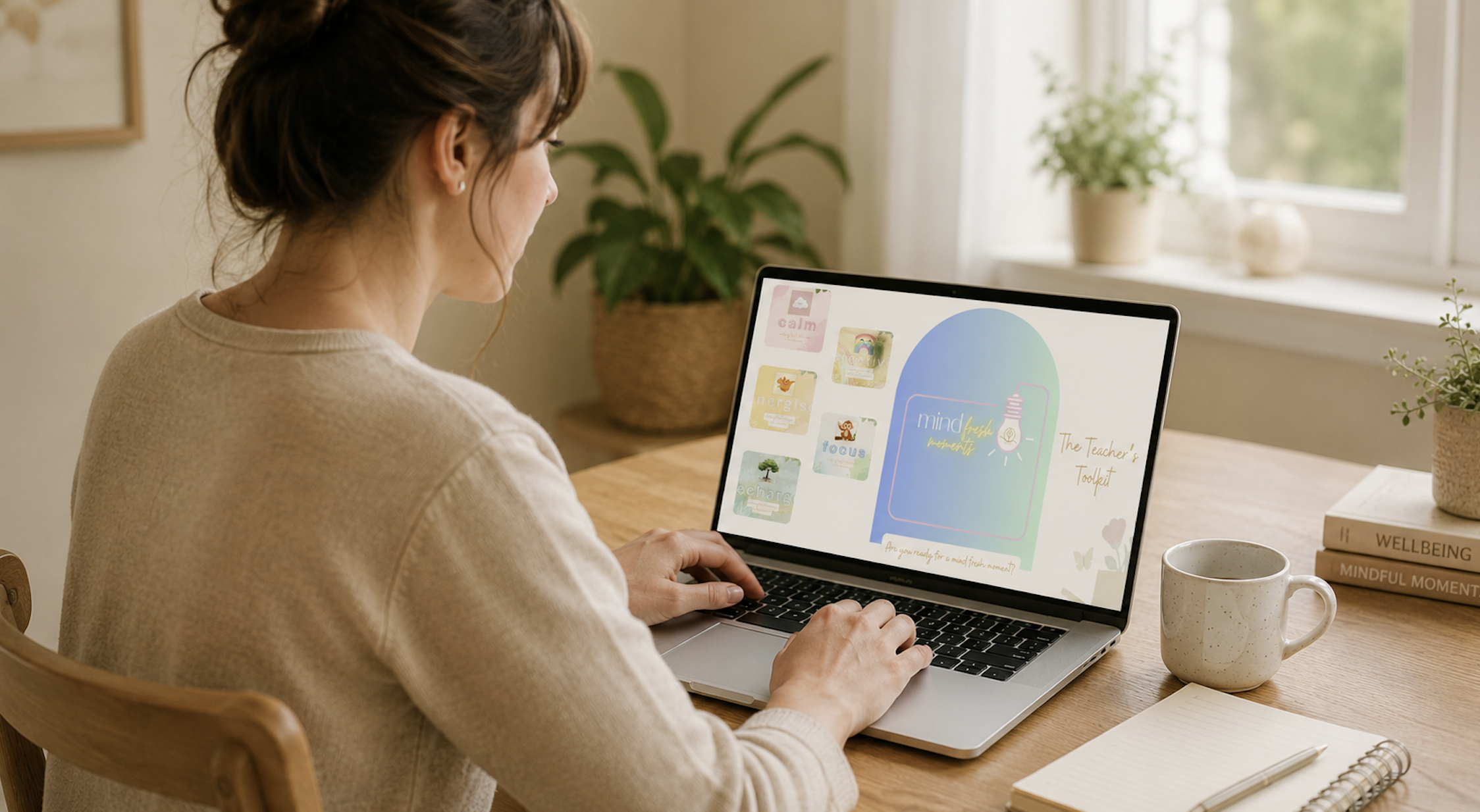
Ready to bring practical wellbeing tools into your classroom

“Five minutes of deliberate practice each day is enough to produce lasting changes in attention, emotional resilience, and well-being. You don’t need to overhaul your life. You need to use the minutes you already have.”
Richard J. Davidson and Cortland Dahl, Born to Flourish