
The Effort Behind “I’m Fine”
A child may arrive home from school looking as though they have simply had a long day, but then the smallest things begin to feel too much. They may not want to eat, their shoes may suddenly feel unbearable, and a simple request can lead to tears, shouting or complete refusal.
Earlier that same day, their teacher may have described them as quiet, helpful or settled. They may even have said they were fine — and both experiences can be true.
Some children spend a huge amount of energy managing themselves through the school day. They follow instructions, watch what everyone else is doing and hold back reactions that might draw attention. From the outside, they may seem to be coping well, while inside they may be using almost everything they have just to get through the day.
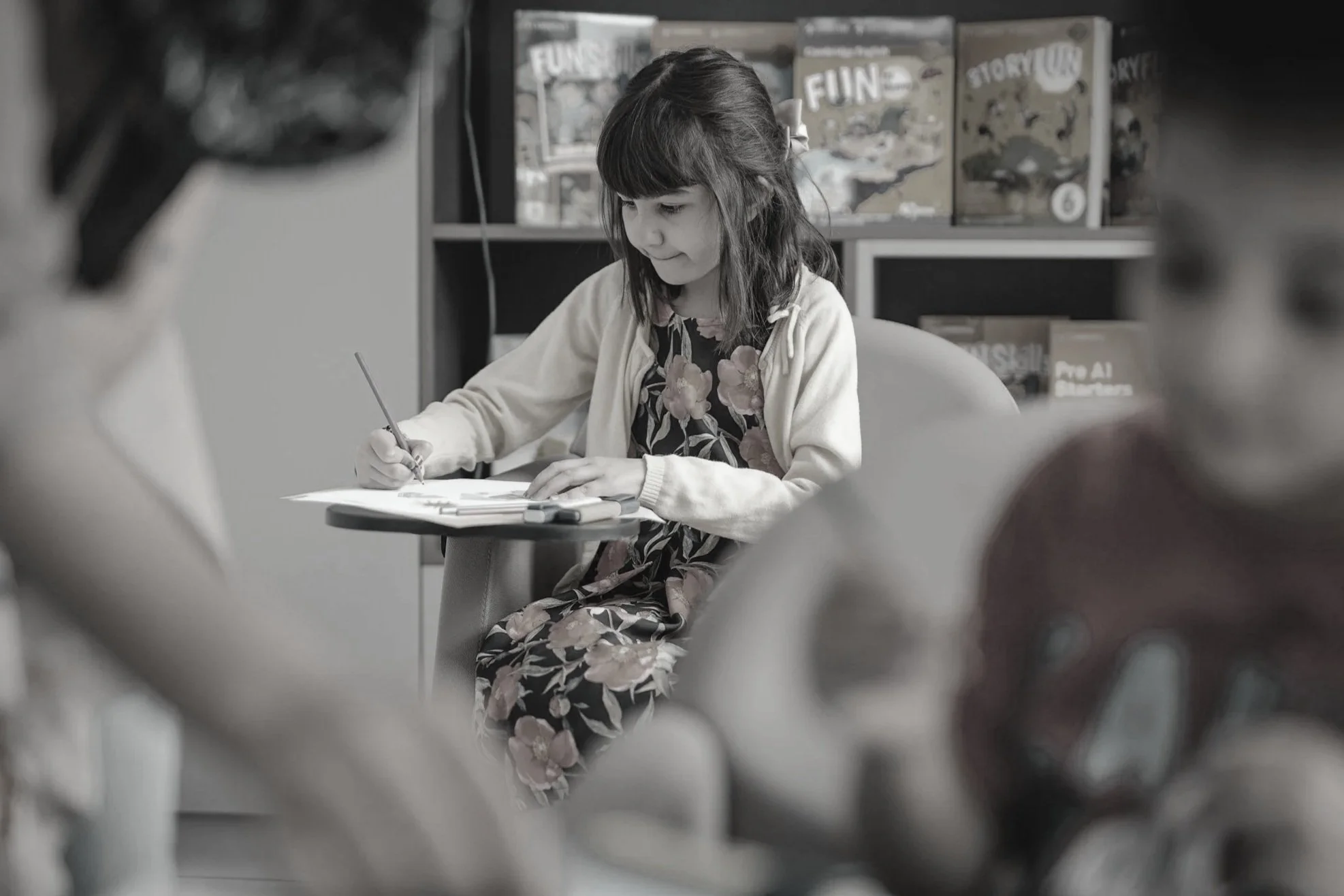
From the outside, they may seem to be coping well, while inside they may be using almost everything they have just to get through the day.
Struggle is not always easy to see
When we think about a child who is overwhelmed, we often picture behaviour that is obvious: calling out, leaving their seat, refusing to join in or becoming visibly upset.
For some children, overwhelm looks much quieter. They may agree quickly even when they are unsure, avoid asking for help, copy the children around them or become very still. They may worry about getting something wrong and wait until they are somewhere safe before showing how they are really feeling.
Some children are naturally calm, reserved or observant, and these same behaviours can also appear when they are struggling. Quite simply, behaviour does not always show us how much effort a child is using to get through the day, or where their attention and energy really are.
That matters for learning too. A child may look settled and ready to focus while internally they are using much of their capacity simply to cope with the environment around them.
Notice the effort beneath the behaviour
A school day asks children to manage many things at once. They move between lessons, adults, rooms, noise levels and social expectations. They are asked to listen, remember, wait, share, focus and respond, while also making sense of other children and managing their own feelings.
A child may manage all of these expectations, but if much of their energy is going into simply coping with the day, there may be less available for concentrating, learning and responding flexibly.
Sometimes the signs are small. A child may cope until a plan changes, become quieter as the day goes on, or need repeated reassurance before starting.
These signs do not give us the full picture, but they can prompt a useful question:
How much effort might this child be using to appear okay?
That question helps us look beyond whether they are simply completing the task or following instructions, and notice whether they may need a little support to regulate.
Small ways to reduce the load
Support does not always need to be a long intervention or a separate programme. Sometimes it simply means making the day a little easier to move through.
For some children, reducing uncertainty can make a real difference. A familiar rhythm around transitions, a little warning before something changes, or a moment to watch before joining in can help them feel more prepared for what is coming next.
Other support may need to be more individual. That could mean offering two simple choices, checking in privately, or noticing when a child seems to need a little more time.
Alongside this, short whole-class practices can help make regulation feel like a normal part of the day. Everyone is given permission to pause and reset, which means children do not have to be singled out when they are struggling. Over time, the class can begin to build the habit together, and children may even start reminding one another.
A brief stretch, a moment with both feet on the floor or one conscious breath before the next task can create that small pause.
These moments do not necessarily remove the challenge. They give children opportunities to check in with themselves, support their body and mind before moving on, and, for those who are struggling, feel that they do not have to work quite so hard to hold everything together.
When school and home see something different
Parents and teachers can sometimes feel as though they are describing two completely different children.
At home, a parent may be seeing exhaustion, irritability or overwhelm. At school, a teacher may be seeing participation, completed work and a child who rarely causes concern.
Neither experience cancels out the other.
A parent might say:
“They often seem completely overwhelmed after school. Have you noticed any times when they become quieter, more tense or less able to manage change?”
A teacher might respond:
“They manage many parts of the day well. I’m going to pay more attention to how much effort that may be taking.”
When the conversation begins with curiosity rather than contradiction, school and home can start to build a fuller picture together.
Supporting effective learning
Children do not always show us what they need in obvious ways. A child may appear settled, complete their work and follow instructions, while still using a great deal of energy simply to manage the day.
That is why it helps to stay curious about what we may not be seeing. The child who holds everything together may still need support, even if their struggle is quieter or only becomes visible later.

When we notice the effort beneath the behaviour, we are better able to create the conditions children need to participate, focus and learn.
When we notice the effort beneath the behaviour, we are better able to create the conditions children need to participate, focus and learn. Sometimes that means offering a little more preparation, a little more time, or a short opportunity to pause and regulate before asking them to move on.
These small moments can help reduce the amount of energy a child is spending on simply coping, leaving more available for attention, connection and learning.
Mindful Moment: What’s Behind “I’m Fine”?
Before the next transition, invite the whole class to pause and notice where their body is touching the chair or floor.
Ask them to gently roll their shoulders, stretch their hands or reach both arms up, then notice whether anything feels different.
They can finish with one slower breath before moving on.
No one needs to explain what they noticed. The aim is simply to create a small moment to check in with the body before the next part of the day.