
Why Nature Belongs in the Classroom
The classroom starts becoming restless in the way classrooms sometimes do. You know the signs: a little more chatter, the volume gradually rising, pencils dropping to the floor, one child getting up, another beginning to wander…
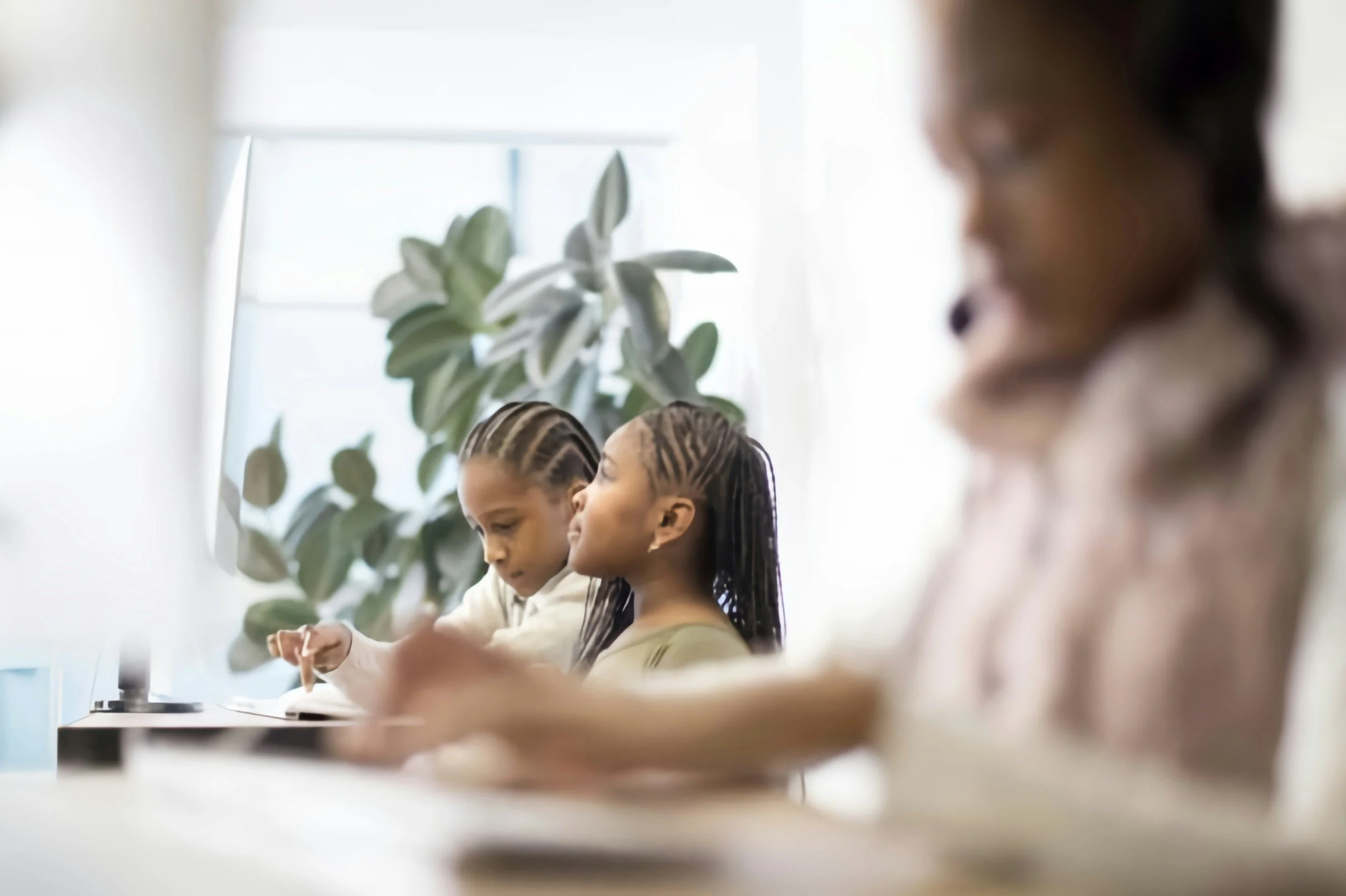
Nature connection does not necessarily begin with standing in a forest, being in a garden or taking part in a long outdoor lesson.
Sometimes it begins simply by noticing what is already around us.
Then you notice a child at the window, looking out at the tree branches moving in the wind across the school grounds. The temptation might be to bring everyone back with a quick “shhh”, perhaps even close the blind and redirect attention to the task. But a teacher who recognises the moment as an opportunity to regulate might do something different.
Instead, she invites the whole class to look.
For less than a minute, they watch the leaves lift and settle in the wind.
Then they turn back towards their tables. The room is a little quieter, bodies have softened, and attention has returned.
Nature connection does not necessarily begin with standing in a forest, being in a garden or taking part in a long outdoor lesson. Sometimes it begins simply by noticing what is already around us.
Nature is often closer than we think
We often think of nature in education as something we have to go out and find: a woodland session, a school garden, an outdoor learning day. These can be wonderful, but they are not always realistic in the middle of an ordinary school day.
Sometimes the classroom is several floors up. Sometimes the weather won’t easily allow it. Sometimes there is no green space nearby and the timetable is already full. That does not mean nature connection is out of reach.
Children are already surrounded by natural cues throughout the day. Light changes across the room, rain taps against the window, wind moves the trees outside, a plant sits on the shelf. Their own bodies breathe, move, tire and recover.
Often, the opportunity is simply to notice and shift the attention.
So much of the school day asks children to produce something: an answer, a piece of work, the right response, the next task. A moment with nature can offer a different quality of attention, one where there is nothing to achieve.
A child can watch a cloud without needing to be technical about it. They can notice the sound of rain without having to describe it. They can hold a leaf, look at the shape of a stone or simply watch the light move across the floor. For all of us, children included, that small pause can create a little more space around a busy mind.
It can also offer a gentler route into noticing how they feel. Asking a child “How are you feeling?” can sometimes be too direct. Asking “What does the sky look like today?” or “What is the wind doing?” may open up a different kind of conversation.
They may notice that the sky feels heavy, bright, still or unsettled, and sometimes that language gives them another way to notice what may be happening inside themselves too.
Small moments can support attention and readiness
Nature can also play a very practical role in the school day.
A class that has become noisy and scattered may benefit from watching the trees for thirty seconds. Children who have been sitting for a long time might stretch upwards like growing trees, sway from side to side like branches in the wind, or move lightly like falling leaves.
We’ve written before about why movement can be one of the most powerful tools for children’s wellbeing.
You might ask them to listen for the nearest natural sound and then the furthest one they can hear, or simply notice whether the light has changed since the morning.
These moments do not have to make everyone calm. Sometimes a class needs waking up rather than slowing down. Sometimes they need movement to foster curiosity or a shift in focus.
The point is to help children reconnect with themselves and the environment enough to become more ready for what comes next.
This is very much the kind of everyday support we explored in Before the Wobble: What Everyday Wellbeing Support Looks Like.
The changes may be small, but they can still be visible. A transition may feel smoother, children may return to a task with a little more attention, or the room may feel easier to gather again.
Those are useful signs. They tell us that the practice is supporting the moment.
Let nature be part of the day you already have
The important thing is that nature connection does not become another thing for a teacher to organise.
It can sit inside the day that already exists.
Before registration, you might ask, “What can you notice about the light today?”
During a transition, “Can we move as quietly as clouds?”
After lunch, “What is the weather doing, and what is your energy doing?”
At the end of the day, “What changed outside while we were learning?”
These questions take seconds. Their value comes through repetition.
Over time, children begin to understand that noticing the world around them is something they are allowed to do.
It is also worth remembering that nature does not feel the same for everyone. Some children love mud, wind and insects. Others may find those things uncomfortable or overwhelming.
Nature connection should invite rather than force.
For one child, it may be being outside on the grass. For another, it may be a smooth stone, the sound of rain, a plant on the windowsill or simply looking at the sky through the window. There is no one right way to do it.
What matters is whether the moment helps a child notice, reconnect or become a little more ready to participate.
Children do not stop being sensory, physical beings when they come inside to learn. Their attention is still influenced by light, sound, movement, rhythm and space.
Sometimes bringing a little more of that awareness into the school day can help children return to learning with more of themselves available.
Explore Nature Flow to support self-regulation through movement, breath and nature connection, helping children build healthy habits for wellbeing.
Children do not stop being sensory, physical beings when they come inside to learn. Their attention is still influenced by light, sound, movement, rhythm and space.

Mindful Moment: Notice What Is Already Here
Invite children to pause and notice one natural thing they can see, hear or feel.
It might be light through the window, the sound of wind or rain, a plant nearby, the temperature of the air, or the movement of their own breath.
Spend three breaths noticing it.
Then, if it feels right, let the body respond. A hand might rise like a branch reaching towards the light, the arms might sway gently like leaves in the wind, or the shoulders might soften with the breath.
There is no right movement to make. Simply notice, respond, and then return to the day.