
Nervous system regulation is often discussed as a concept. In a classroom, it can be seen in much smaller moments: a child returning to their work, a transition softening or a room beginning to breathe again.
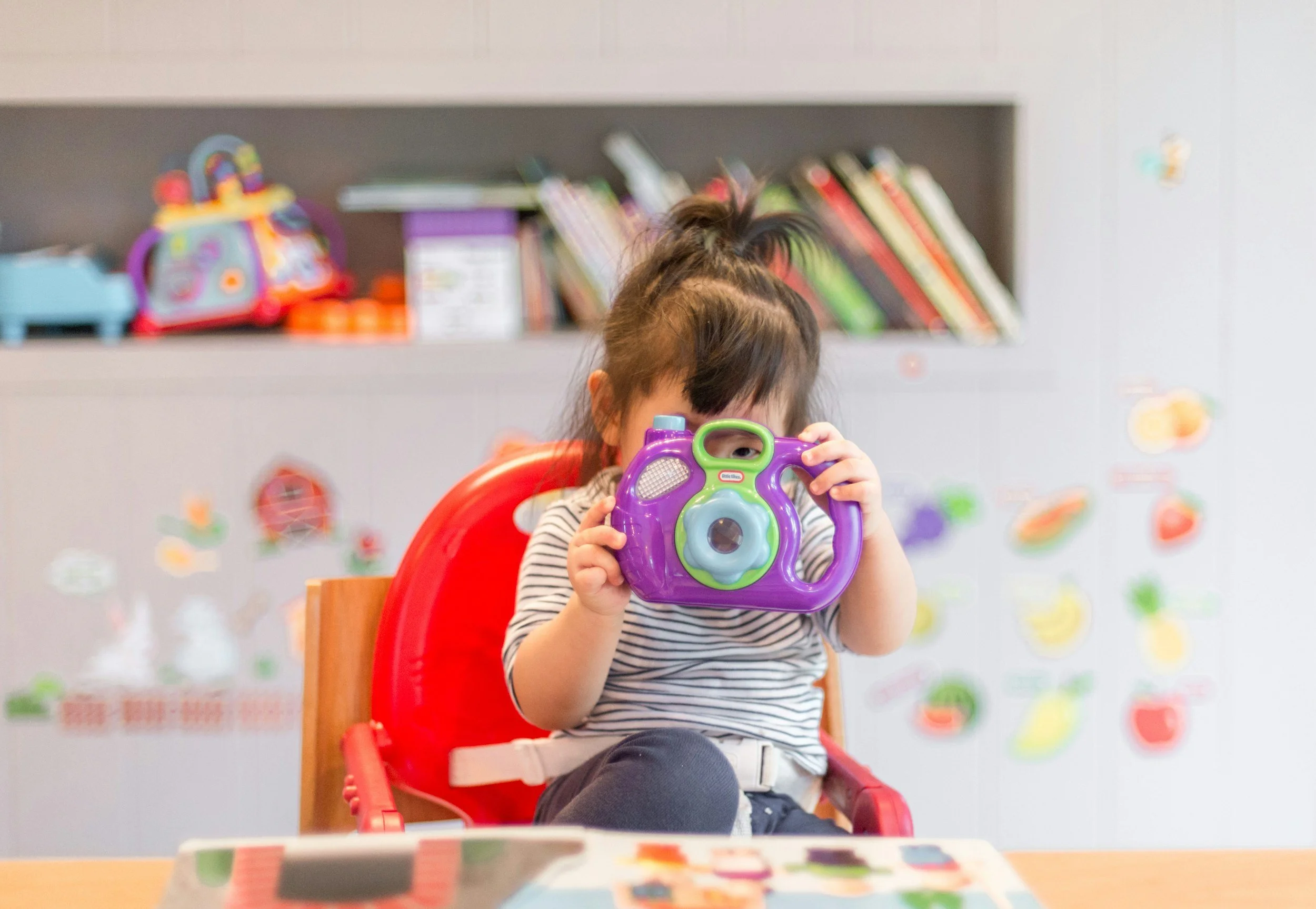
A small pause during the day—like spotting a picture-perfect moment, it gives us time to notice, reset and return with greater focus.
It was just after lunch, and the classroom had not quite arrived back with the children.
Chairs scraped. Water bottles rolled beneath tables. One child was still talking about something that had happened in the playground, while another stared down at a blank page as though the first sentence had disappeared completely.
The teacher could have raised her voice. Instead, she paused beside the board.
“Before we begin,” she said, “let’s press our feet into the floor.”
There was no elaborate exercise. No long explanation. Feet pressed down. Shoulders lifted and dropped. Everyone took one slow breath.
The room did not become silent. Every child did not suddenly look calm. But something shifted. A few bodies became still enough to listen. The child looking at the blank page picked up their pencil.
This is often what nervous system regulation looks like in a primary classroom.
It is rarely a perfectly peaceful room. More often, it is a child becoming settled enough to take the next step.
Regulation is something we can see in small changes
“Nervous system regulation” can sound clinical or complicated. In everyday classroom life, it describes the body’s ability to respond to what is happening and find enough balance to continue.
That balance will look different from child to child.
For one child, regulation may look like sitting quietly and listening.
For another, it may look like moving their legs beneath the table while remaining part of the lesson.
It might be a child asking for help rather than tearing their page. Returning to a task after disappointment. Joining the line after hanging back. Speaking after becoming very quiet.
Regulation does not require children to feel peaceful all the time. It allows them to experience energy, frustration, excitement, uncertainty or tiredness without becoming completely carried away by it.
The skills involved in self-regulation support attention, flexibility, decision-making and the ability to manage responses. These capacities develop gradually through experience, relationships and repeated opportunities to practise.
Sometimes regulation looks active
Adults can understandably associate a regulated classroom with quiet voices and still bodies.
Yet some children find their balance through movement.
A child may need to stretch before writing, push their hands firmly against a wall, carry a pile of books or stand at the back while listening. A whole class may benefit from shaking out their bodies - in a move like wild horse shaking - after a concentrated activity or moving slowly from side to side before a transition.
These actions can help children notice what their bodies need and return to the room with a little more capacity.
This is why mindful movement can be so useful during the school day. It offers somewhere for restless energy to go while helping children remain connected to themselves and the activity ahead.
The movement does not need to become another lesson. Thirty seconds can be enough.
The adult helps shape what happens next
A child does not learn regulation alone.
The adults around them offer cues through their pace, tone, expression and response. A teacher who lowers their voice, gives one clear instruction or moves closer without immediately demanding an answer may help a child feel that the moment is manageable.
Supportive relationships matter here too. When children feel that their teachers care about them and are willing to help, they are more likely to feel connected and engaged at school.
This does not mean the adult must remain endlessly calm.
It means noticing what the room is asking for and, where possible, creating a little more steadiness around the child.
Sometimes that looks like warmth.
Sometimes it looks like a clear boundary.
Sometimes it is simply: “I can see this is difficult. Let’s begin with the first part.”
Consistent expectations and supportive adult relationships can strengthen children’s sense of connection within school.
Regulation can belong within learning
Regulation is a skill children build over time, and some of the most useful practice can happen naturally alongside the lesson itself.
It can be woven into the way a lesson begins, how instructions are given and what happens between activities.
A teacher might:
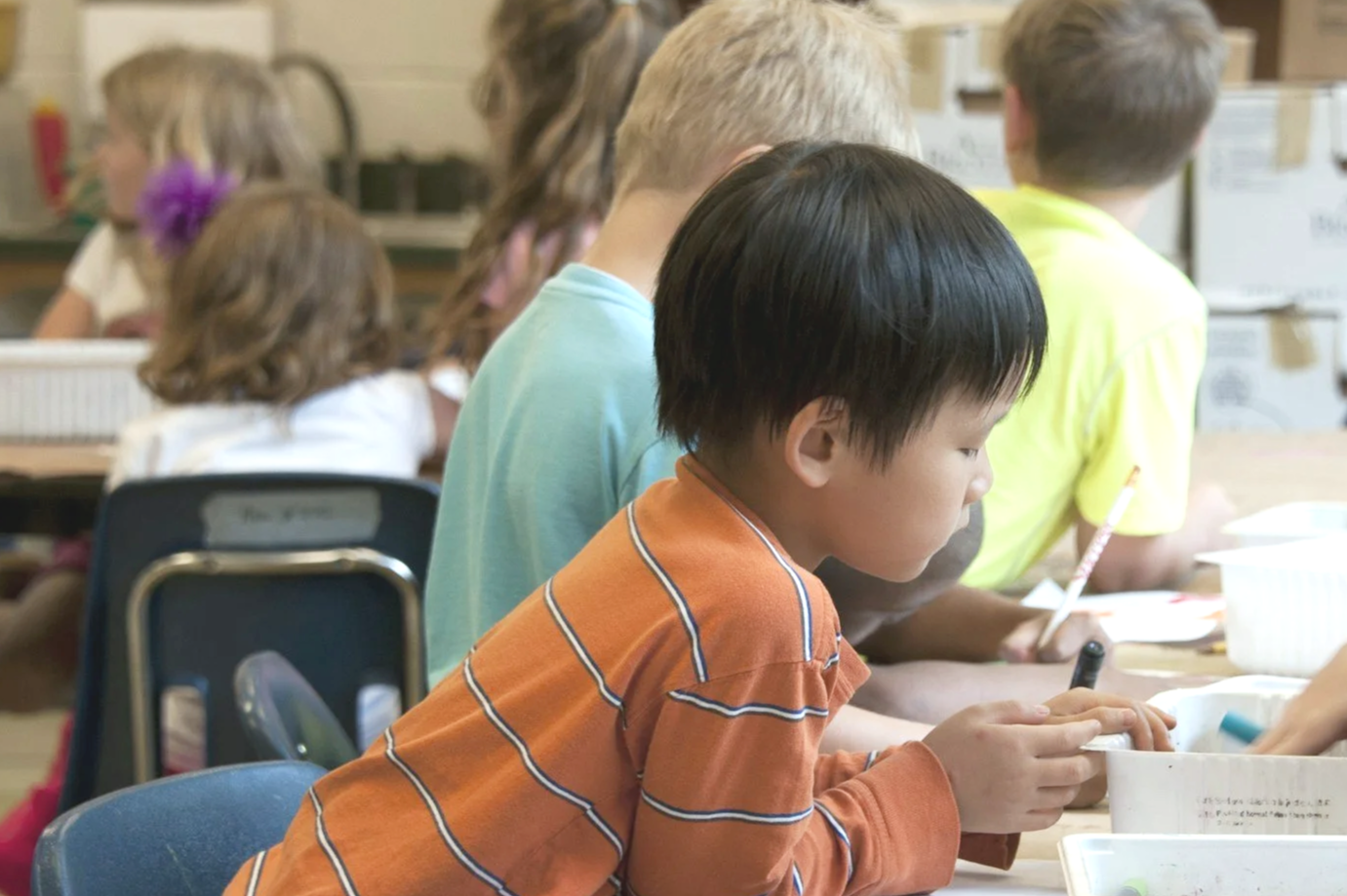
Notice → Pause → Reconnect → Continue
begin with one breath before reading aloud
invite children to stretch their fingers before handwriting
use a predictable rhythm when bringing the class back together
offer a short movement after concentrated work
reduce the number of words used when the room feels overwhelmed
let children know what is happening next
These small practices create familiarity. Over time, children begin to recognise them as ways of returning.
Our MindFresh Moments course equips teachers and others who work with children with a practical toolkit of short movement, mindfulness and nature-based practices. Each one is designed to fit naturally into the school day, helping children build regulation skills alongside learning and become more ready to arrive, engage and take part.
A regulated classroom is still a real classroom
There will still be noise. Children will still argue, drift away, feel frustrated, become excited and have days when very little seems to help.
Regulation does not remove the movement of childhood. It gives children more ways to meet that movement. So perhaps nervous system regulation in a primary classroom looks less like perfect calm and more like this:
A child notices they are becoming overwhelmed.
An adult recognises the change.
A pause becomes possible.
The child finds enough ground to begin again.
That small return matters.
Repeated across a school day, it becomes part of how children learn to listen to themselves before the wobble becomes too big to meet gently.
Mindful Moment: Feel Your Feet
Before the next activity, invite everyone to press both feet into the floor.
Notice the ground holding you.
Breathe out slowly, then begin.
Explore MindFresh Moments for a practical toolkit rooted in mindful movement and nature, designed to be woven into everyday learning—30 seconds at a time.