The Sea Light Library
A place to pause, learn and explore.
Whether you’re a teacher, teaching assistant, facilitator, early years practitioner, parent or someone supporting children’s wellbeing, you’ll find practical ideas, thoughtful articles and simple tools to help you bring movement, mindful pauses and nature connection into the rhythm of the day.
The Effort Behind “I’m Fine”
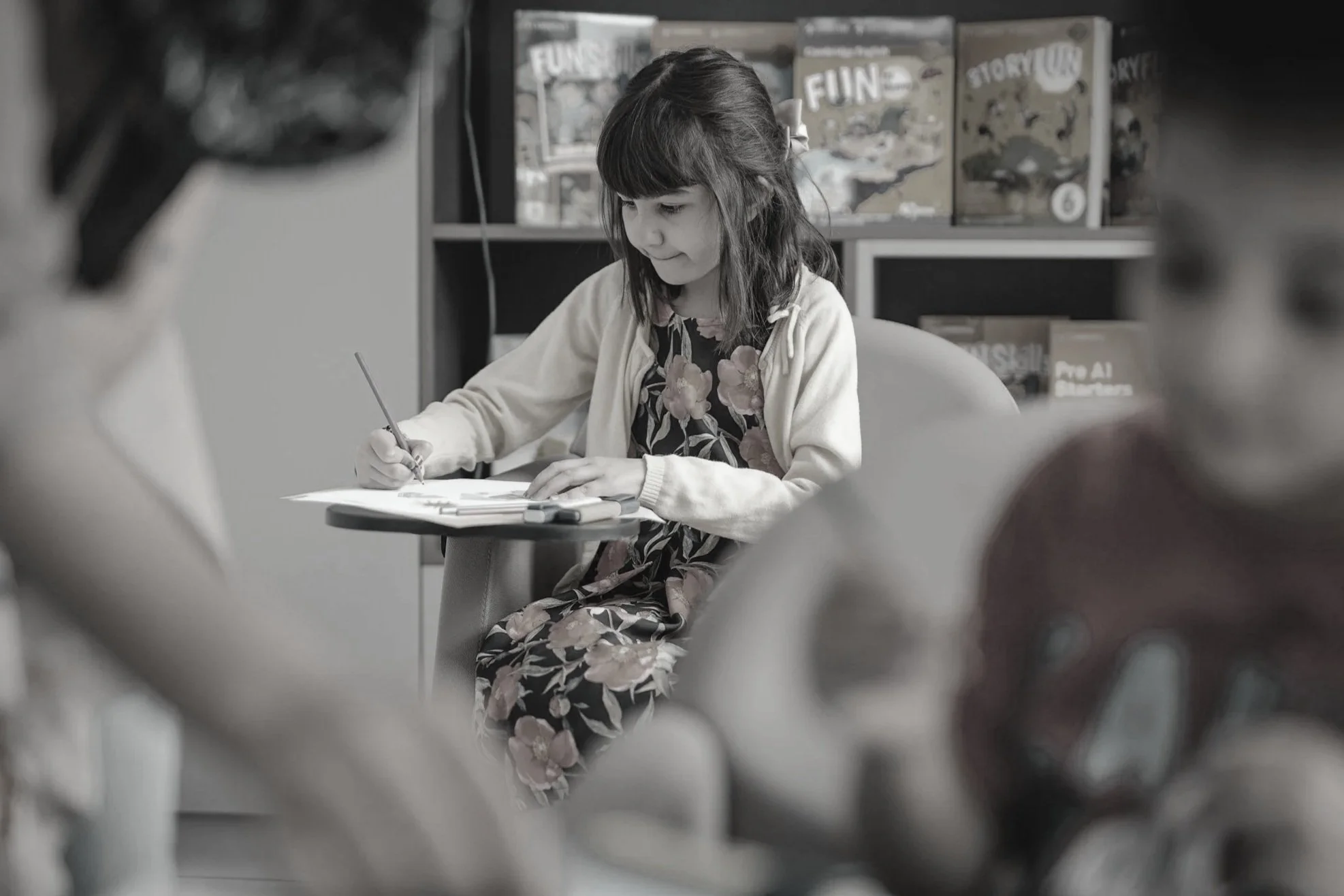
A child may appear settled at school while using enormous effort to cope. This article explores the quieter signs of overwhelm and how adults can gently reduce the load.
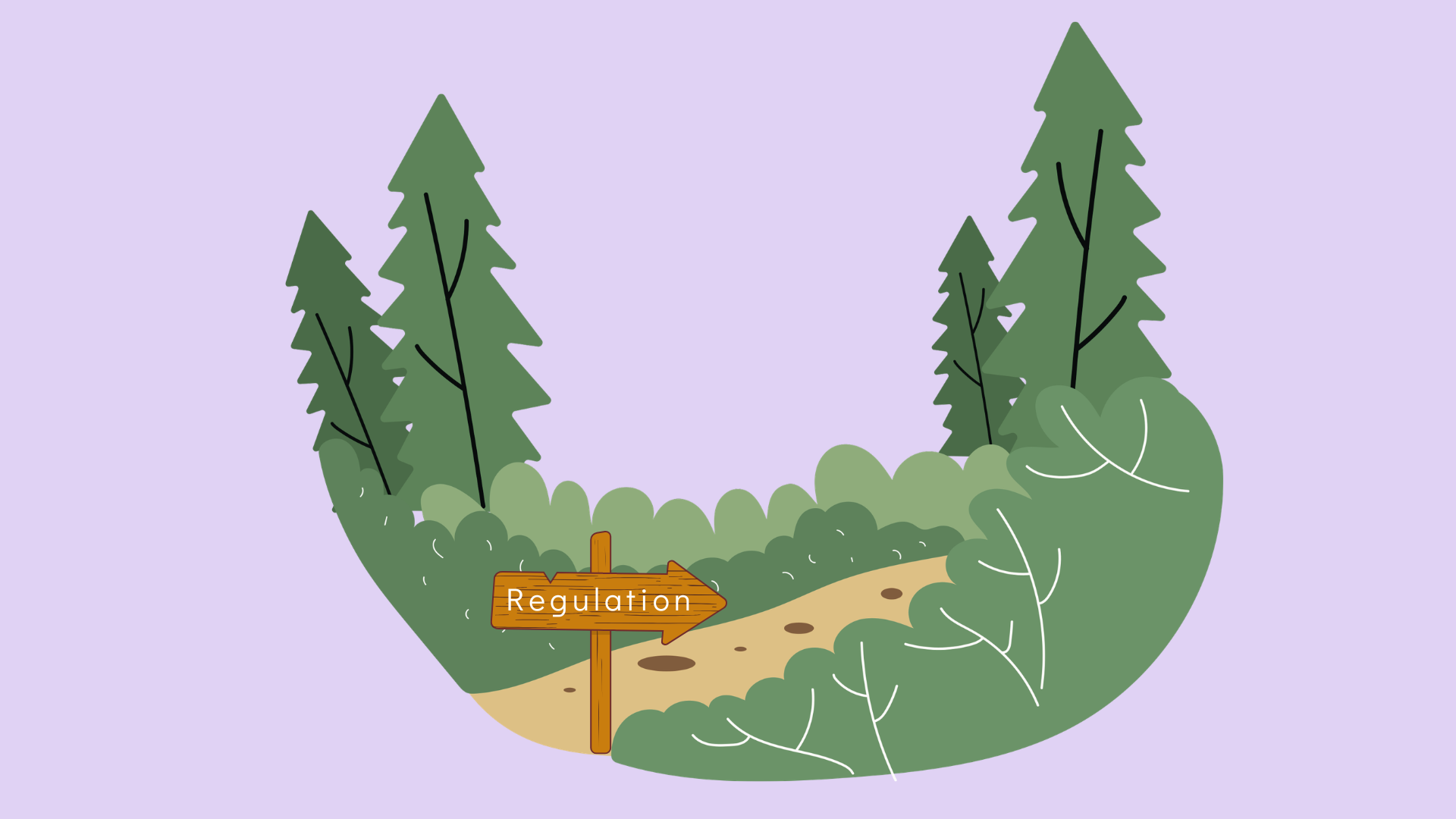
What Regulation Actually Feels Like
Regulation is often described through what adults can observe. But what might it actually feel like from the inside - and how can we help children begin to notice? Regulation is a skill and a choice

Calm, Coping and Regulation: What’s the Difference?
A child can look calm while working very hard inside. Another may be moving, talking or asking for help while remaining connected and able to respond. So what are we really looking for?

The Day I Let Go of Needing to Be Calm
Why calm is not always the goal — and how balance can help children and adults listen to emotions, regulate and move forward with more awareness.
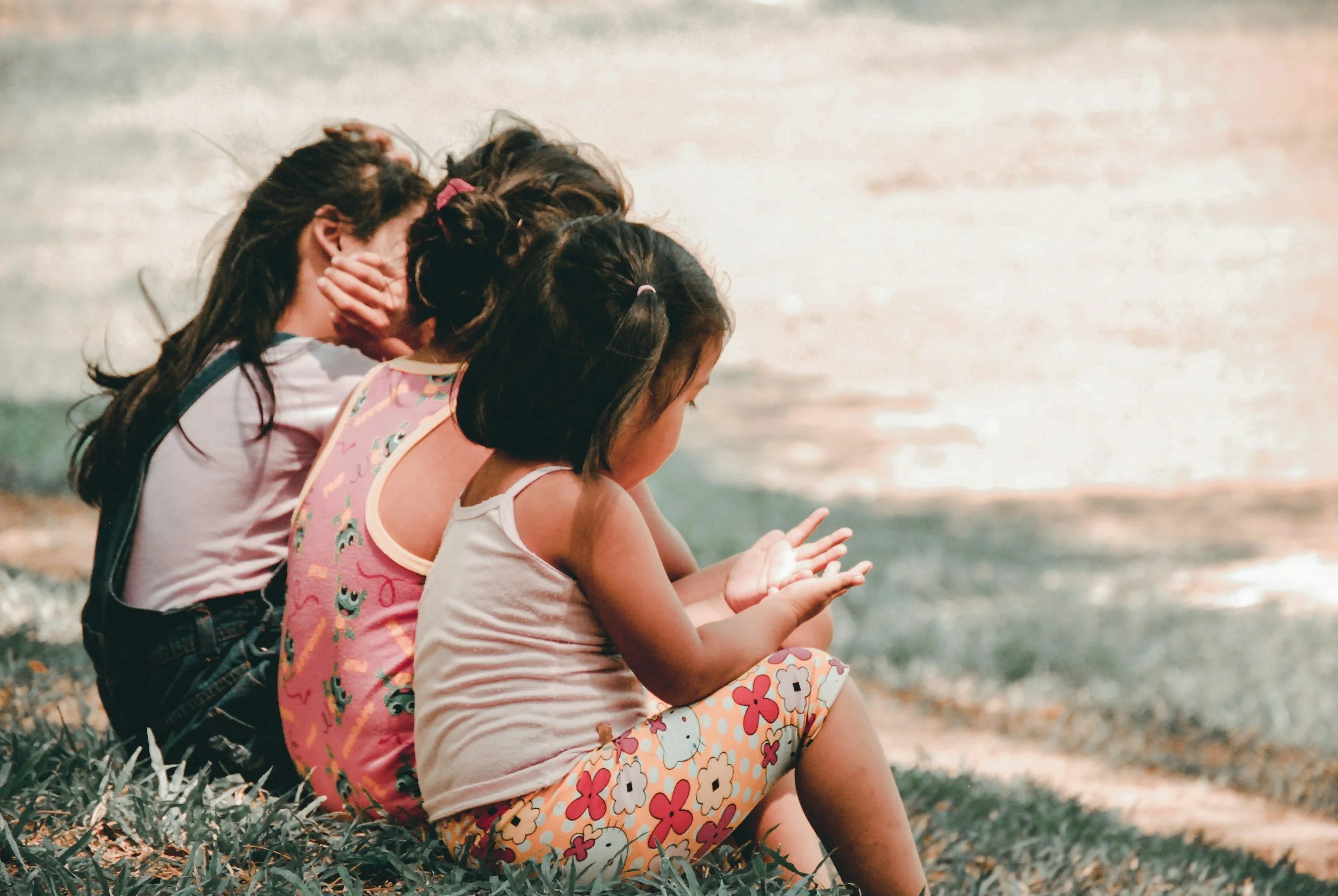
Before the Wobble: What Everyday Wellbeing Support Looks Like
What does everyday wellbeing support look like before children reach the wobble? Explore simple classroom moments that help children notice, pause and settle earlier.

Why Movement Is One of the Most Powerful Tools for Children’s Wellbeing
Movement is more than exercise. Explore how mindful movement can support children’s wellbeing, emotional regulation, focus and readiness to learn.

The neuroscience and psychology of mindfulness
"When neurons fire together, they wire together” Explore how mindfulness shapes the brain, supports self-regulation and helps children and adults build awareness, attention and emotional wellbeing.
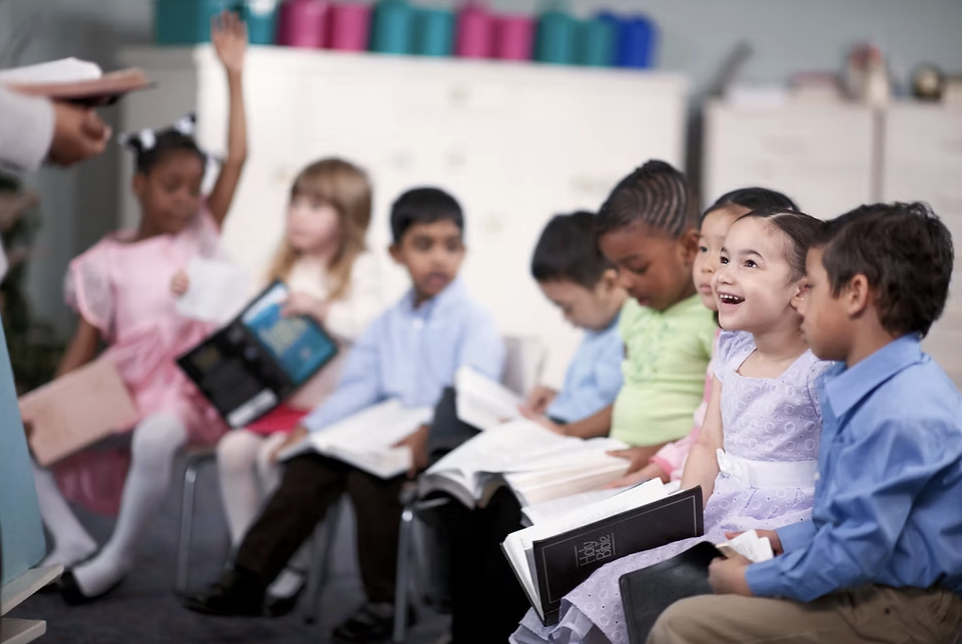
Embracing Mindful Movement in the Primary Classroom: Letting Go and Connecting with Nature
Explore how mindful movement, letting go and nature connection can support children’s wellbeing, regulation and presence in the primary classroom.
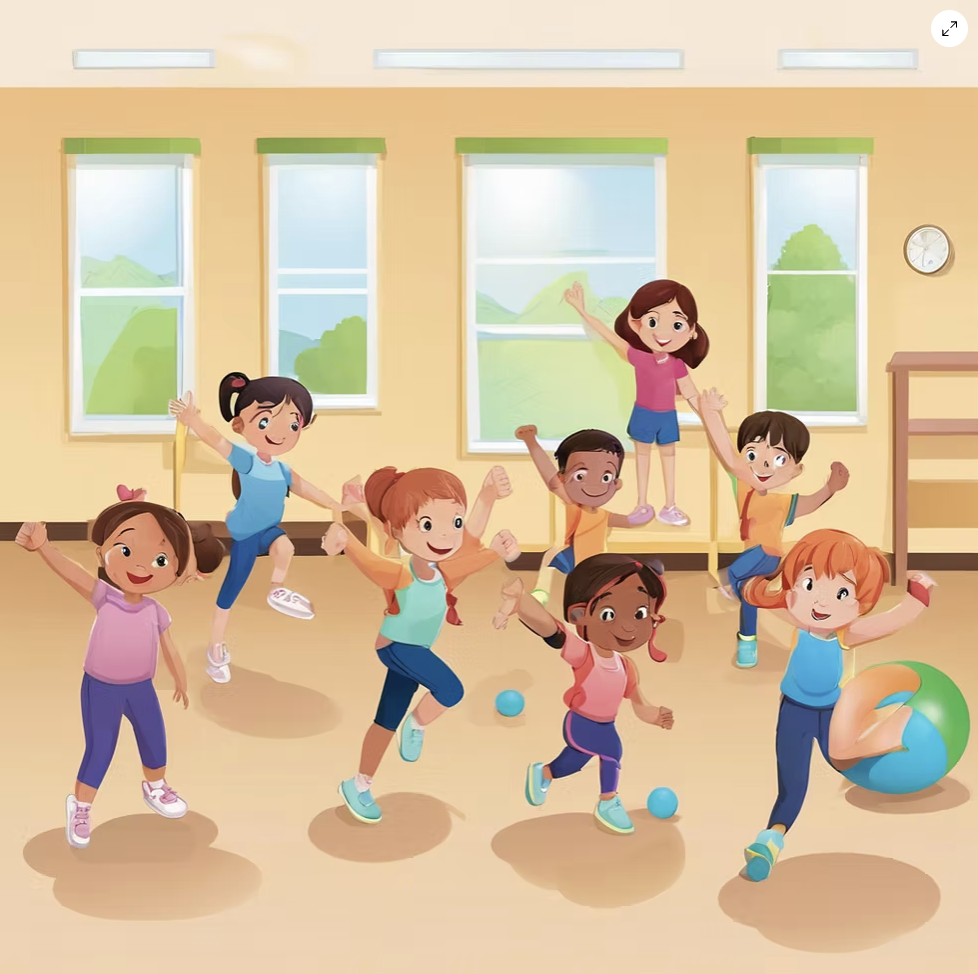
Movement for children’s mental health. More than a hashtag.
Explore how movement and physical activity can support children’s mental health, emotional regulation, mood and wellbeing.